NOAH HILL
CONVERSATION AT LE BUS PALLADIUM
CREDITS
PHOTOGRAPHY: NICOLAS RECEVEUR
INTERVIEW: LUCIE KLOTZ
ARTISTIC DIRECTION: MINSK STUDIO
FAHD EL JAOUDI AND LUCIE KLOTZ
SPECIAL THANKS TO NINON HITTA AND BECAUSE MUSIC TEAMS
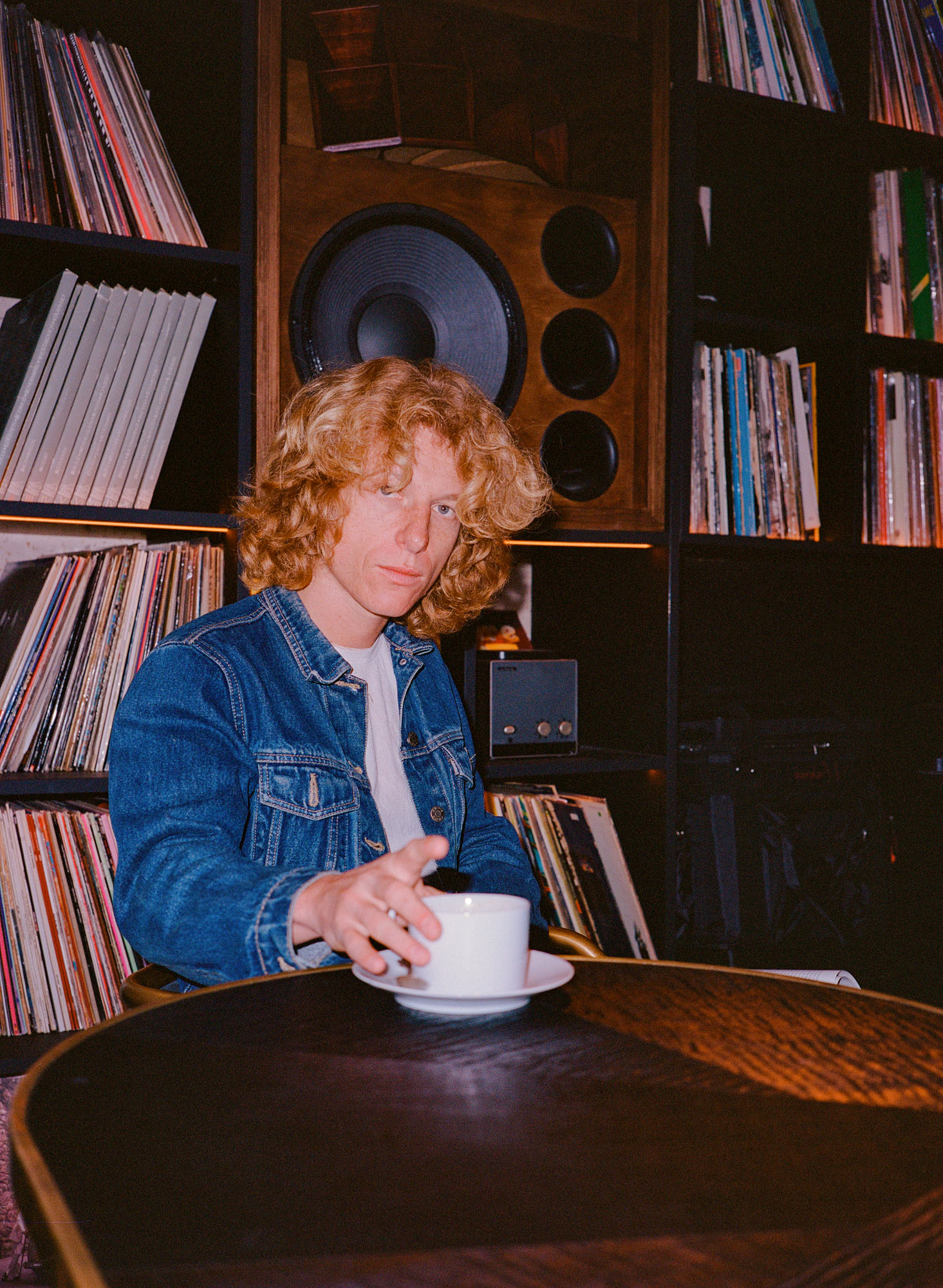
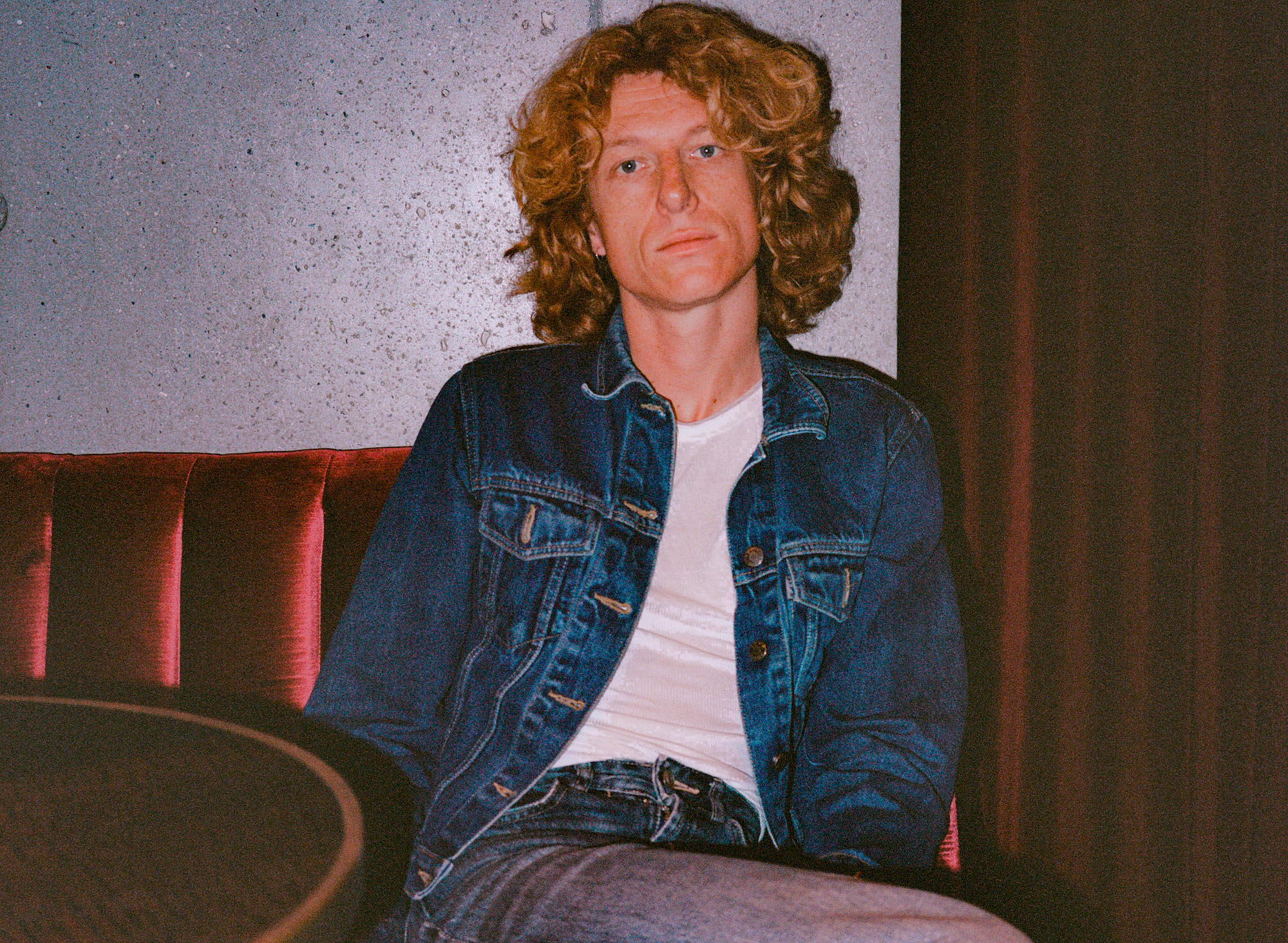
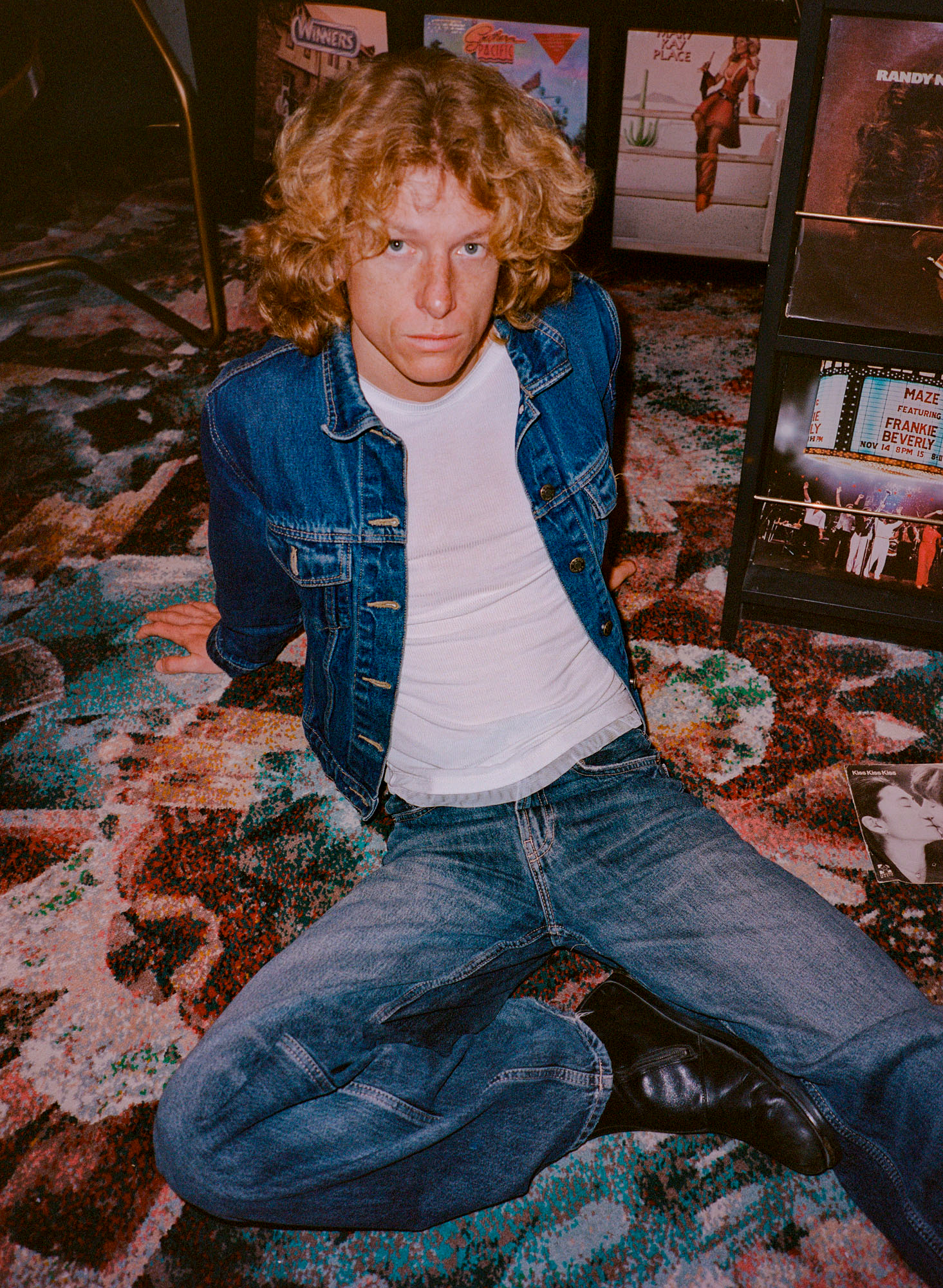
a conversation WITH THE ARTIST NOAH HILL, ON THE OCCASION OF THE RELEASE OF HIS FIRST SOLO ALBUM, OK OK NOW, A NON-LINEAR CONCEPT RECORD BORN OUT OF AN EIGHT-YEAR LOVE STORY AND ITS ENDING.
A FEW HOURS BEFORE HIS SHOW AT THE BUS PALLADIUM, NOAH HILL DISCUSSES THE CREATION OF THIS DEEPLY PERSONAL ALBUM, WRITTEN AND PRODUCED ENTIRELY ON HIS OWN, AND THIS TOUR THAT SEES HIM CARRYING HIS SONGS UNDER HIS OWN NAME FOR THE VERY FIRST TIME.
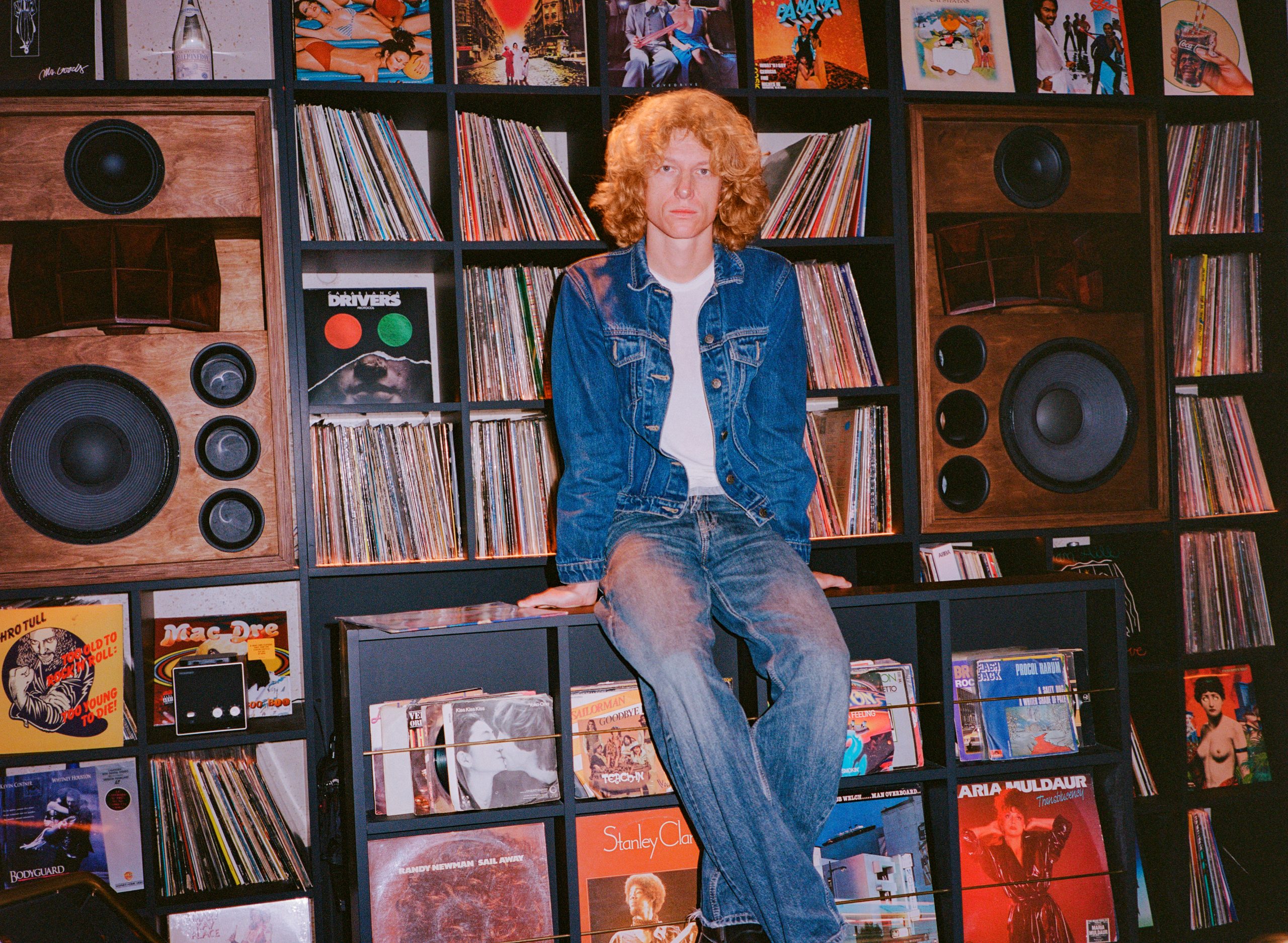
After years of writing for Parcels and sharing the process with four other people, you find yourself alone on this record. Playing every instrument by yourself and taking care of the mixing and mastering too. Did that solitude bring you closer to your real emotions and raw feelings?
When you have no one else to filter out your ideas, you inevitably get closer to what is going on inside of you. That was sort of the intention for this. I wanted to be as intimate and as vulnerable and as personable as possible, and let people get to know me a bit more.
It’s been a great mix and learning experience, realizing that I can do this all on my own and that I have the capacity for it. It’s so streamlined and so directly from me towards the audience that there are no sort of gaps. But at the same time, it’s a lot of pressure as well. There’s a lot of responsibility, and there have definitely been moments where I’ve recognized the great part of being a collaborative person inside of a band, having other people to bounce off.
So it’s sort of a double-edged sword in lots of ways. You get the freedom and the power, but then you also get the responsibility, and sometimes that can be a weight as well.
You’ve said that halfway through writing, you realized every song was about the same relationship, without meaning it to be. Do you remember the moment you realized that? Did it change how you wrote the rest of the album?
I’d been in this relationship for eight years, and every song I wrote was about her. It was one of those romantic, deeply passionate relationships that was really something. It was like art; the relationship was artistic in a way. And I was always drawn to writing music about her.
When the breakup happened, I consciously made a decision to finally finish the songs that I knew were all about her, really. But I wasn’t sure how direct I was going to be about that, or how obvious it was going to be as a dedication to that time in the relationship, until right at the end, when I looked at about 75% of the record and I was like, “Oh, this is so obviously about this. I should lean in.”
I think, from learning and making things, things sort of take shape naturally. You can build something up and then take a step back, and it tells you what it wants to be more than anything. Like, “Oh, I’ve made this thing. I didn’t even realize.” And then you follow the path of what it’s asking.
Towards the end, I had maybe two songs that I hadn’t recorded yet. I changed those songs, or rewrote some songs, to really be like, “Okay, this is the meaning of the album. How do I tell that more directly and really wrap it up in a way?”
And give strength to it. That happened towards the end, where I was like, “Okay, I’m going to put the nail in the coffin of this conceptually,” with a couple of the final songs.
Ok ok now tells a story that isn’t linear, much like the relationship it’s built around — one that kept stopping and starting. Did you build the tracklist as a deliberate narrative, or did you let the memories fall into place on their own?
With the track listing, I had tried a bunch of different ways. In the past, I’ve tried to do narrative-based track listings, where you try and tell a story with the songs in a linear fashion. Often it just doesn’t actually align musically, and oftentimes you find yourself having to choose between what makes sense musically and what makes sense in a narrative way.
I thought that the record was so obvious already and had such a strong, clear message that I didn’t need to spell it out as much. I ended up just doing the track listing that I felt worked musically.
I had “Once in a Lifetime” at the start because it just felt like a feeling at the start. I always envisioned a man walking out into the wild, like in the movie Into the Wild, where he’s just sort of like, “Fuck society,” and walks out into the bush on his own. “You Do” always felt like the end. I always saw that as a night in London: you’re riding around on a Lime bike, the sun is coming up, you’ve had a huge party night, and it just feels like the end. The start is what “Once in a Lifetime” always felt like to me.
So I had those two bookends and then I filled in the gaps. That seemed like the most right thing to do with the flow of the music.
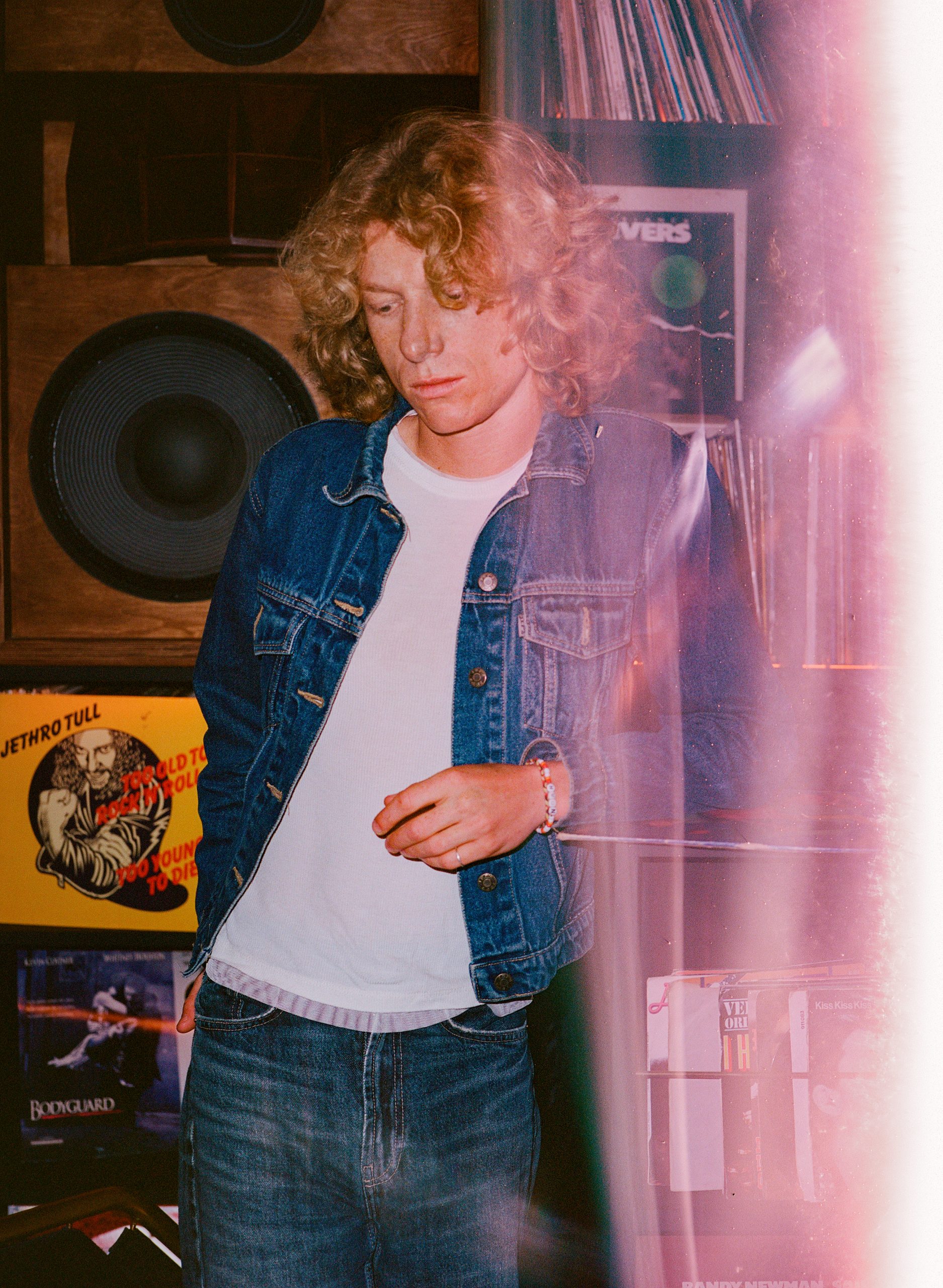
In Bye Baby, there’s a duality between a kind of resigned acceptance and the frustration of watching someone already move on. How do you hold both feelings in one song without either one taking over?
I feel like a tension runs through a lot of relationships. Everyone can relate to it, no matter what relationship they’re in or how happy they are with their partner. They always have days when they wonder, “Is this really the right person for me?” — some second-guessing. Not everyone feels it constantly, but most people go through some form of hesitation
It’s very difficult to be 100% certain that one person is your person for life. Yet at the same time, you love them deeply, and on other days you feel really good about it. There’s a kind of dance that I feel like everybody does with that — you just keep going, in a way.
The song is trying to capture all the tension that exists inside that dynamic — being with someone you’re willing to let go of, yet still really in love with. Neither side takes over from the other; they’re actually just battling, and that’s what makes it so painful, because you’re uncertain. You don’t know what’s right, and you both want to end it, but you’re desperate to hold onto it at the same time.
That’s where the deep, spiritual, heart-level pain comes from — that’s what makes the song work for me, I think. That’s what I was trying to get across: that tension inside the not-knowing, without showing which side is right. Tension — that was really the word I had in mind.
DUEL likes to explore the power of duality. In your case, there are several: the band and the solo project, an album that opens in doubt and ends in the excitement of a new love, holding on and letting go. Have you always lived with this kind of polarity, did it leads your creativity , or did this album reveal it to you?
I think polarity and duality are sort of the very essence of life. It always works that way — you need two things in opposition, sitting right next to each other, and that’s what feels right.
In music, lyrically, you might want the lyrics to be really sad and the music to sound happy, or vice versa. A soft vocal over a hard instrumental — things that clash together in different ways. That’s what makes life interesting, or makes art interesting.
I’m definitely finding that more and more present in my life now, with the band. I’ve got very different things going on that are in opposition. There’s the band, which is outward-facing, energetic, dance music — a group of guys just trying to have fun as much as possible. And then there’s this, which is inward, personal, and in a way solitary, or simply introspective.
I’m grateful to have both, because it helps create balance in my life right now. So yeah, I think it’s fitting that your magazine is built around duality — it’s something that feels 100% necessary for all of us.
Also, with music, you always seem to want to make the opposite of whatever you just made. I’m already imagining what comes next, and it’s going to be very different from this — almost like it needs to be the opposite of this.
This project has been very earnest, transparent and direct, built around one very specific thing. And for the next one, I’m already thinking, “This is too earnest, too much — I want to do the opposite.” Something less immediately understandable, more abstract.
I think that’s what keeps the creative process moving. There’s an innate human need to do the opposite, and that’s what gives you energy and keeps you going.
As a Parisian magazine, and knowing that you’ve spent a lot of time in Paris for different projects, what does Paris bring to your creative process? And do you have a special story to tell us about you in this city?
There’s a real, famously romantic sense to this city — that’s simply what it’s known for. That allure has always drawn me in, as it has so many others, and it’s part of why Paris remains the artistic and creative hub that it is.
I’ve had my own journey with that, largely through Paris being a real epicentre for the band. I’ve spent a lot of time here, immersed in the feelings you get in this city, and had some of my most creatively fulfilling experiences within it.
So when I come back, I feel fuelled by that — reminded of how special this place has been for me and for the band. It becomes a source of inspiration in itself: the buildings, the sounds, the energy running through it.
There have been times I’ve hated it too, though — we used to come here and work so hard. You’d be promoting an album, stuck in a van for a week, going from one radio station to the next, one TV show to another, never really having the time to experience the city itself. You’d just think, “What is this place? I’m stuck in traffic, and I hate it.”
But I feel like I’m having a different relationship with Paris now — coming back to it with more of an adult perspective, and starting to enjoy and appreciate it again.
I’ve got so many friends here, and so many great musicians I’m looking forward to seeing tonight. I can easily imagine coming back to work here again.
That said, it’s not really a place I’d come to live slowly. If I wanted that, I’d go to Greece, or back home to Australia. Paris is more of a fuelling, energising kind of place — everyone always seems to be doing something. People take long lunches, disappear for all of August, but most of the time it feels like everyone’s busy, and there’s something inspiring about that.
You’re currently on tour with these very personal songs, alone under your own name. What excites you most about that, and what scares you most?
The most exciting part is the prospect of being understood, and of being able to express myself more clearly and directly. There’s something in the fact that anyone who engages with it is interested in that, or in me, hopefully on a more personal level.
In a band, you’re part of a group — you’re flattered by the interest people show in it, and you think, “Yeah, they love my band.” But when someone is more directly interested in you, it feels different, more personal. I find myself excited by people actually resonating with what I’m saying directly, rather than with something I’ve created as part of a group.
And inherently, alongside that, there’s the fear. What worries me most is being judged, or not accepted — opening yourself up to that kind of scrutiny.
I think I saw Erykah Badu talk about this in an interview recently — the idea that creation is, in a way, the absence of fear. Putting something out into the world means doing it without letting fear hold you back, and that’s what stops a lot of artists from ever putting themselves out there.
I recognise that now, as a solo artist. It takes a lot to do this entirely on your own. As Noah Hill, this is me — I stand behind this project. Whereas in a band, you can sometimes hide a little behind the group, tell yourself you didn’t really carry it alone. You don’t have to take on full responsibility.
That level of accountability can be stressful, and I do find the pressure of it difficult at times. But it’s part of the journey I’m on, and I’m excited to learn how to work through it. You face some of that in a band too, but it’s a bigger challenge when you’re on your own.
Even during a live set — if I get sick, if my voice gives out, if I make a mistake, if I lose focus for even a second. It happened at the Berlin show: there was a sound issue, I got distracted mid-song, and I lost the thread — I was still singing, but I’d been pulled out of the moment and forgot the lyrics.
It really affects the show. If I’m not fully present, things can fall apart quickly. In the band, I could do that and no one would notice — the other four would carry it. Things happen to all five of us, and there’s always someone there to help.
Now, if I’m not 100% on, it shows. I find that a real weight to carry.
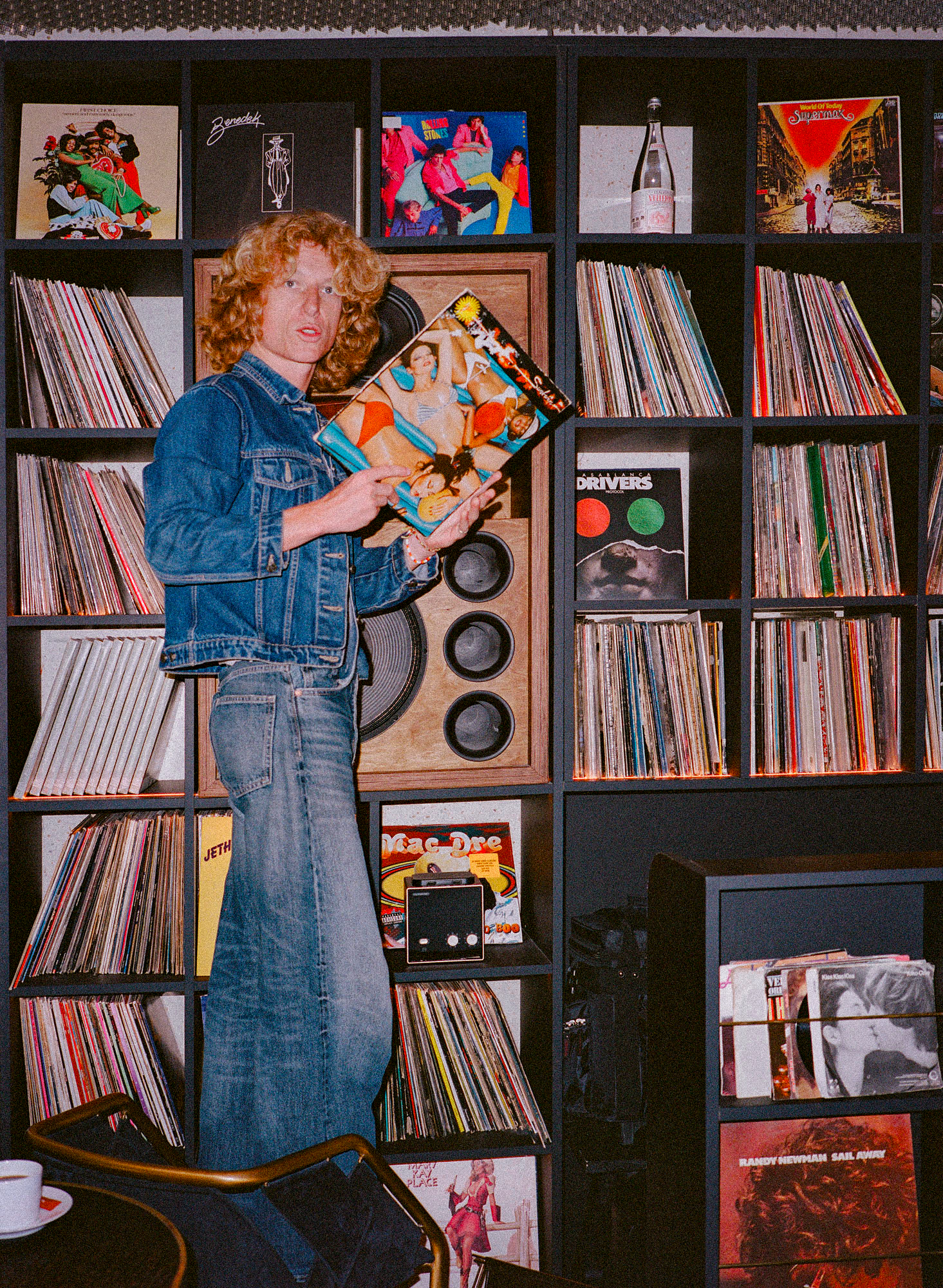
To conclude, what can we wish for you for the future, and for this sensitive and intimate solo career that is just beginning?
I’ll just keep writing music, really.
The plan is to release two new songs that could have made it onto the record but didn’t, for timing reasons. I want to finish those off, put out a deluxe version of the album on vinyl, and then spend a good part of next year… The band’s taking a big break next year, from touring and from everything else, really.
I’ll go home, take the time to process what these last two years have been, start writing again, settle back into Australia, and build something new.
I’m really excited by that prospect — genuinely ready for it. It’s been go, go, go for a while now: output, output, output, touring, making. So I’m looking forward to falling into a bit of nothingness, in a way, and seeing what the next project turns out to be.
It’ll no doubt be another album — another solo record, alongside more writing for the band, as I always do — and some more touring. Maybe a few festivals next year, starting to feel out what the solo project can become, building it bit by bit as I go. I’m definitely going to keep making things, both for this album and for whatever the solo project becomes next.
NOAH HILL
OK OK NOW ALBUM
www.because.tv
www.noahhillofficial.com